Liberty Hospital Vascular Medicine Helps Northland Patients Get Ahead of PAD

Liberty Hospital Vascular Medicine Helps Northland Patients Get Ahead of PAD
Former Liberty Hospital Chief Nursing Officer Shirley Heintz didn't want to put her life on hold.
Shirley is now retired and had important travel on the calendar: trips to visit her children, specifically overseas to visit her son doing humanitarian work. But as she began noticing signs that concerned her, Shirley did what years of nursing had taught her: paid attention early.
Because vascular disease can be quiet, sometimes the first signs are easy to dismiss, like leg pain that slows you down, cramping when you walk, numbness in your feet, or a sore that won't heal. For a retired nurse like Shirley, her decision wasn't whether to seek care. It was where.
As a Mayo Clinic nursing graduate, she knows the value of specialized expertise. But before making plans, she reached out to someone she trusted — Liberty Hospital CEO Raghu Adiga, MD, a physician leader she worked closely with during her years at Liberty. His advice was straightforward: meet with Tapas "Joey" Ghose, MD, at Liberty Hospital Cardiovascular Specialists.
While cardiology focuses on the heart, vascular care focuses on the arteries and veins that carry blood throughout the body, especially to the legs and feet, where early detection can protect mobility and prevent complications.
Shirley made the appointment. Her husband came with her. And from the first visit, she felt confident in her decision.
"He was forthright and open," Shirley said. "He put us at ease, and he explained where I was in the disease process." She left relieved after learning her Peripheral Arterial Disease had not aggressively progressed.
Her husband, a chemical engineer with a science background, was equally impressed with Dr. Ghose’s knowledge and the way he walked them through the details and the reasoning behind the plan.

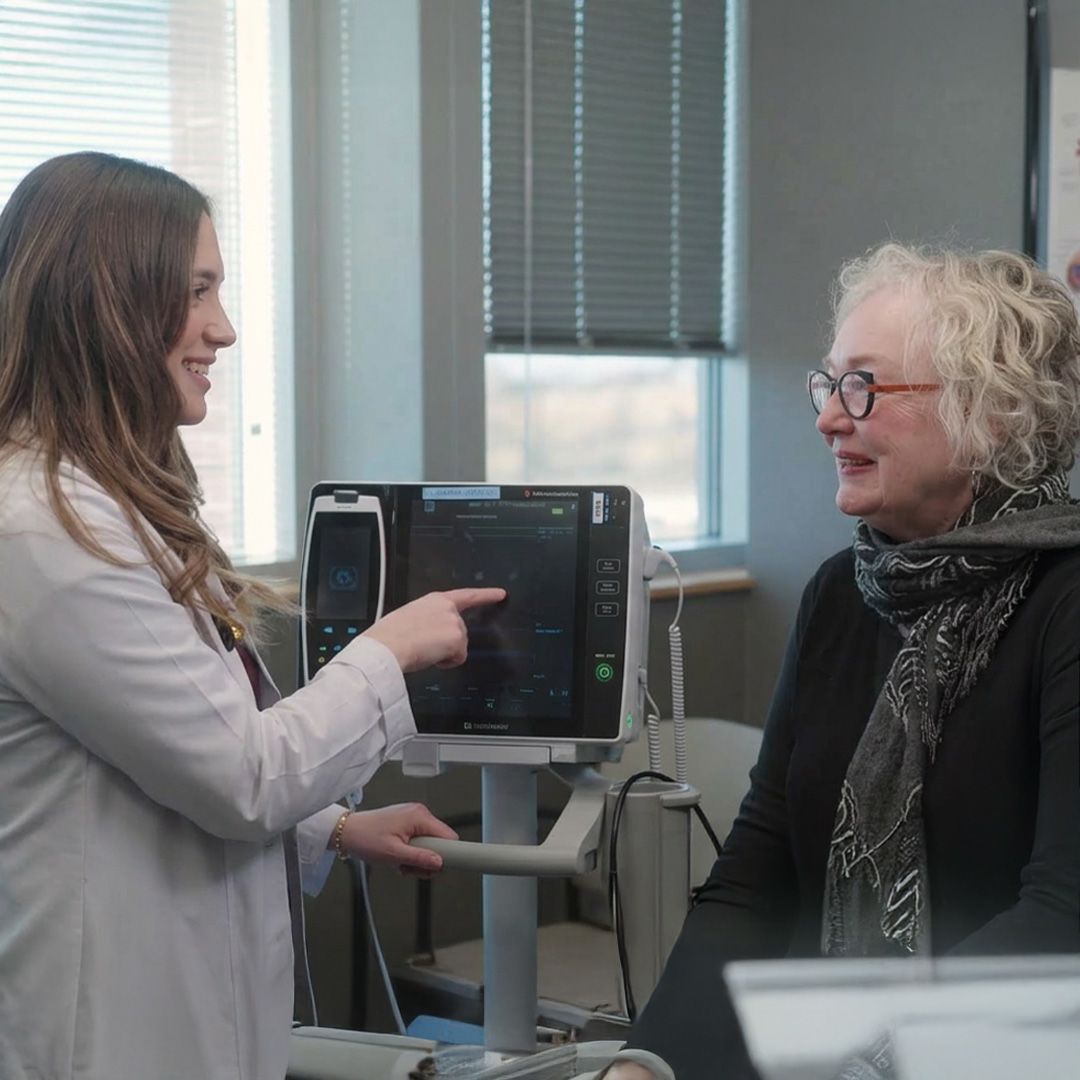
Shirley Heintz preps for the ABI test with Elaina Jones, MSN, FNP-C.
Designing a personalized plan for care — for today and tomorrow
Shirley expected a medical roadmap. What she didn't expect was how personal it would feel.
Dr. Ghose didn't treat her condition like a one-size-fits-all pathway. He asked about her lifestyle, her goals and what mattered most during the next year. Then he tailored recommendations to match.
"One key thing I recall is how much he cared about my future plans and making sure my treatment still supported that," she shared. Since she'd be flying long distances, Dr. Ghose prescribed medication to help prevent clots during her flight, supporting her health without asking her to give up the trip.
He also mapped out what the next three months could look like, followed by six months and then a year, introducing the team she'd be working with and outlining a care trajectory tailored to her.
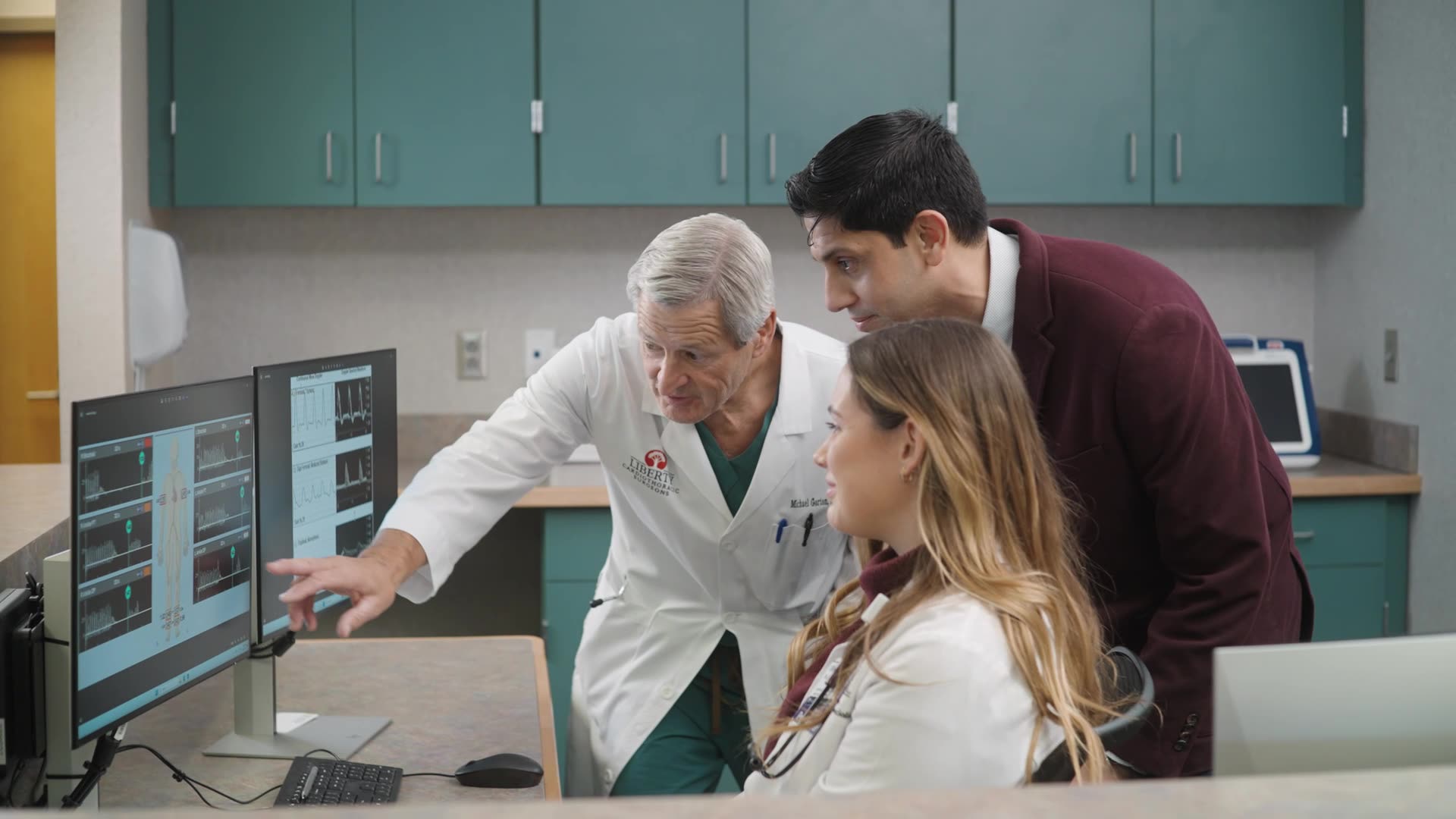
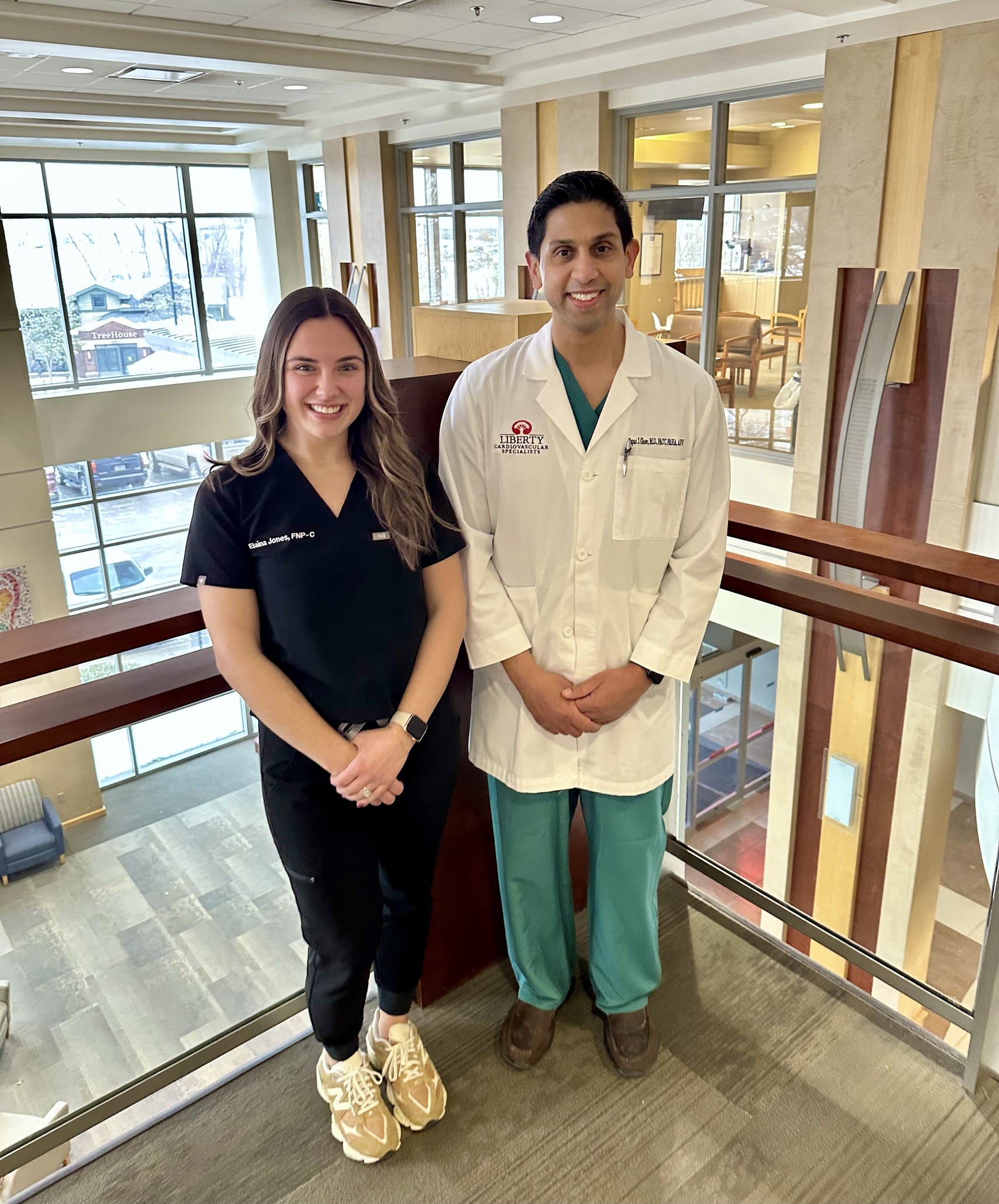
That team includes nurse practitioner Elaina Jones, MSN, FNP-C, who supports patients through education, screening coordination and follow-up care as they manage symptoms and reduce risk over time. For patients, that can mean fewer unknowns, clearer next steps and a steadier plan, all close to home.

Understanding PAD and why early screening matters
Peripheral arterial disease (PAD) is a common condition in which blood vessels that supply the legs (and sometimes arms) become narrowed or blocked, leading to pain with activity and reduced circulation. Advanced PAD can cause serious complications.
Risk factors include being older than 50 years of age with diabetes, a history of smoking, high cholesterol, high blood pressure or previous heart issues. For individuals who have had procedures such as stents or angioplasty, regular vascular monitoring may be advised.
Symptoms to watch for include aching, cramping, or pain in the lower legs, thighs or buttocks during exercise that eases with rest, as well as numbness, tingling, burning sensations or non-healing sores and blisters.
A quick test that can offer answers
Liberty Hospital Vascular Medicine offers specialized vascular care in the Northland, backed by advanced resources through The University of Kansas Health System.
One tool the clinic uses is ABI testing (ankle-brachial index), a quick, non-invasive test that assesses circulation and can detect PAD early — often before serious problems develop.
Blood pressure cuffs are placed on the wrist and the calf, and the readings evaluate blood flow to the legs. Most patients get results right away, helping the care team determine whether symptoms like leg cramping, numbness or slow-healing sores could be related to PAD. ABI testing is recommended for people with heart disease, diabetes or a history of smoking.
For Shirley, the combination of expertise, clear communication and a tailored plan made her decision easy.
"I'm relieved we don't have to travel far to get the experience and knowledge we can find right here," she said.
If leg pain is slowing you down — or if you’re noticing numbness, cramping or sores that won’t heal — don’t wait. Learn more about Liberty Hospital Vascular Medicine and request an appointment by calling 816.415.5430.
 Built with Shorthand