For Women, Heart Health is a Legacy Worth Fighting For
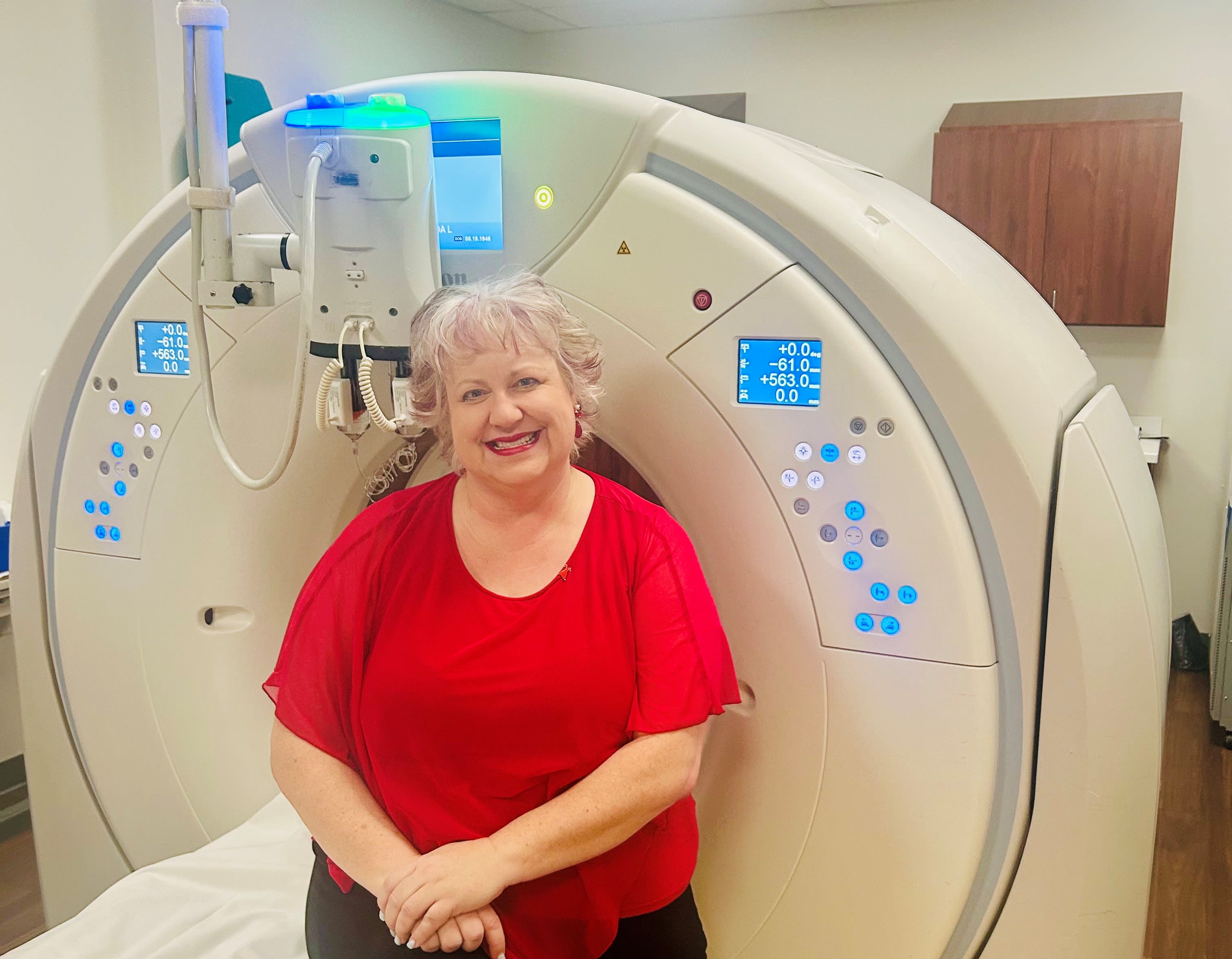

Stacey watched heart disease rewrite her family story — and now takes proactive steps at Liberty Hospital to help change her own.
Five days after giving birth to her third child, Stacey Box's best friend, Connie Ricklefs, began to feel unwell. Initially, she assumed it was just stress and anxiety, nothing like what she thought a cardiac emergency felt like.
"She thought it was a panic attack," Stacey recalls. "Her mother insisted on calling 911, and we are all so thankful that she did," Stacey said. Fortunately, at Liberty Hospital, her friend received the critical care she needed to save her life.
"She underwent emergency open heart surgery," Stacey shares. "I got a call in the middle of the night. When I woke up the next morning, I thought I had dreamed that call, only to find out it was real."
Connie was just 37 years old at the time.
It was a moment that stayed with Stacey, but it wasn't her first experience with a cardiac emergency. A different wake-up call came a few years earlier, with the loss of her mother to a stroke and a heart attack.
"Heart health really became personal to me with the loss of my mother,” she says. “She was only 62. I'm 55 now and that feels awfully close, but even when that happened nearly 20 years ago, 62 didn't feel so far away.”

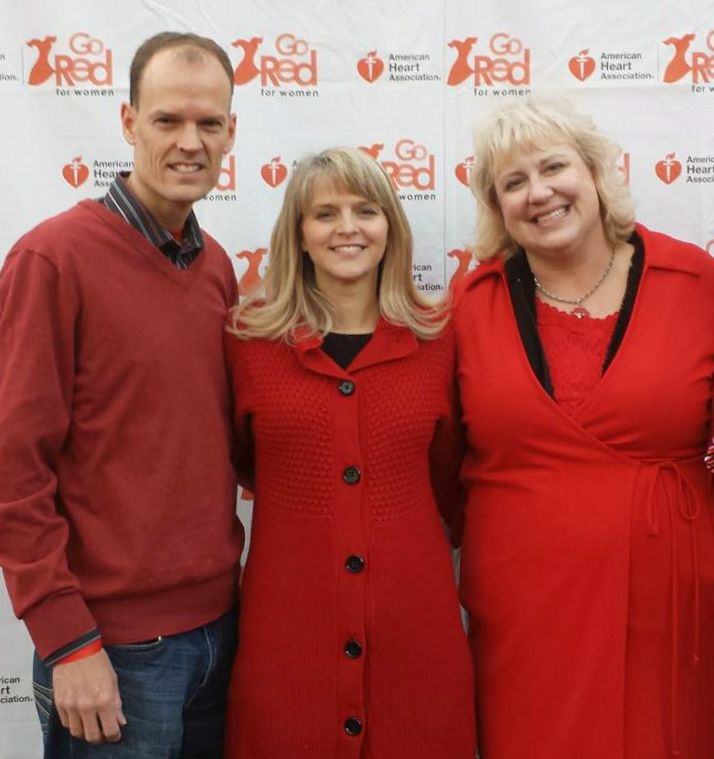
Connie and her husband, Brad, joined Stacey at the Red Dress Dash in 2014.

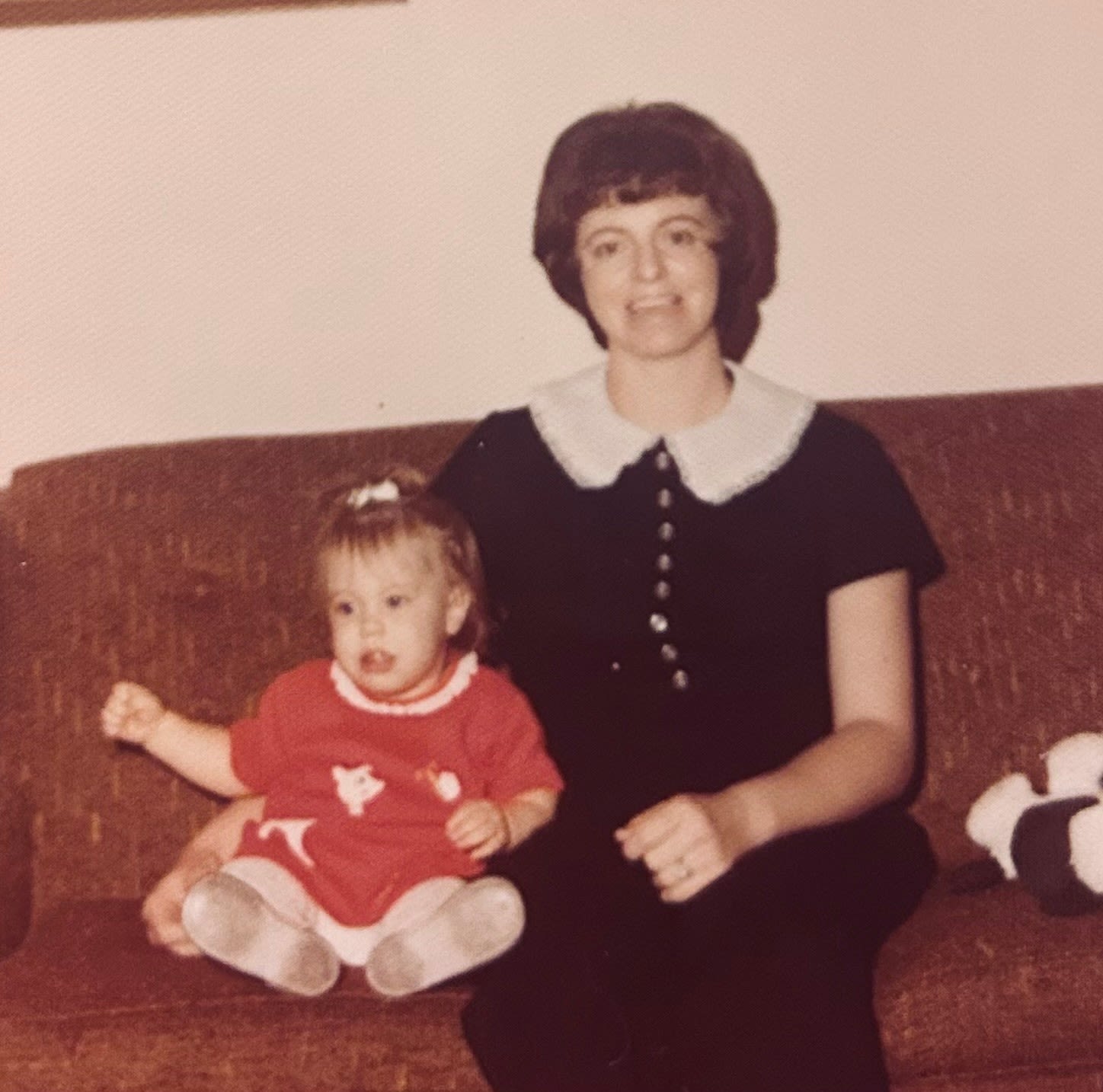
Young Stacey with her mother, Janice.
Young Stacey with her mother, Janice.

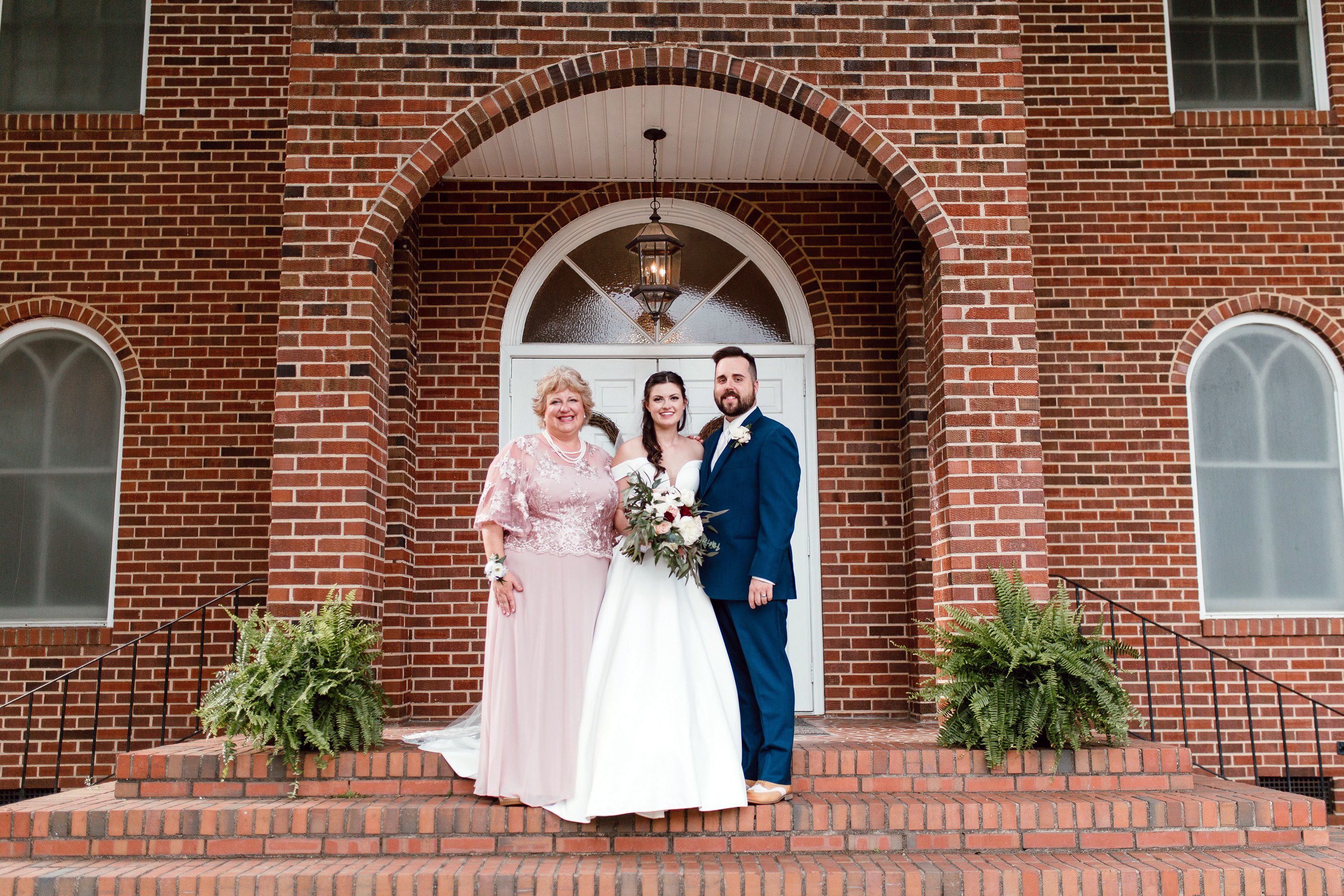
Stacey with her daughter and son-in-law on their wedding day.
Stacey with her daughter and son-in-law on their wedding day.
A Wake-Up Call
Experiencing the loss of her mother, Janice, to heart disease started to reshape how Stacey thinks about women's heart health and helped influence her decisions about her health and her own family.
"What can I do to make sure I'm around for my daughter?" Stacey recalls thinking in 2007, as her daughter was only 7 years old when her grandmother passed away.
"I realized I really want to be here to watch my daughter grow up, get married and have a family someday,” she says. “That’s when I started to think, 'What can I do to make sure I am here as long as I can be?'"
While she didn’t have most of the common lifestyle risk factors for heart disease, her family history made the risks feel real and specific.
"My mom’s mother had a stroke, and her father had a heart attack," Stacey shares. "I have to do what I can to control the lifestyle factors, such as what I eat and how much I exercise, because I can’t control the hereditary ones."
A Simple Scan
Keeping her family history in mind, Stacey is proactive about preventive screening and cardiac care, which led her to cardiac calcium scoring at Liberty Hospital. This quick CT scan measures calcified plaque buildup in the arteries surrounding the heart.
"I check a traffic report to see how congested the highways are and which route I should take," she says. "So, why wouldn't I check to see how clogged my blood vessels are since they’re responsible for pumping blood in and out of my heart?"
The CT scan is simple and painless.
"You can even stay dressed; no hospital gowns needed," she explains. "You walk in, lie down and place your hands above your head. Then, they slide you into the CT scanner. It doesn't take very long; I was in and out in less than 10 minutes. There's no needles, no medication or side effects.”
No waiting days for test results, either.
"Within a day, if not just hours, my results were available," she says. "With today’s technology, we can see a full picture of my heart and the vessels going in and out and determine how close to a heart attack I am. Why wouldn't I want to know that?" she adds.
Prevention Is an Act of Hope
Stacey frequently hears one reason why women avoid screenings: they don't want to receive bad news.
"I hear people say all the time, 'They don't want to know,'" she explains. "You want to be surprised? You might have a heart attack out of nowhere when you could have known it was coming and taken steps to prevent it."
Ultimately, she identifies what she believes is at the core of the issue: "The fear is that I'm going to find out something I don't want to know and that I'll have to make a change. And the fear is really about the change itself."
Stacey encourages others, especially women to be proactive about their heart health, from practicing healthier habits to advocating for themselves.
"As women, we often ignore our health; those aches, pains or a nagging feeling that we brush aside. We often think, 'Oh, it's just some indigestion or a bit of acid reflux. It'll pass,” she says. “But deep down, we know when something isn't right. Don't hesitate to ask your doctor or go to an emergency room. It could save your life.”
Women’s symptoms can be overlooked easily because they don’t necessarily match the typical signs of a man’s heart attack.
“Indigestion, pain in the jaw and neck, back or shoulder pain, nausea, weakness or chest pain -- I never would have known all those could have been warning signs,” she says. “That’s what makes heart disease women’s number one killer – we miss the signs.”
For now, Stacey says she is thrilled to know her calcium score is 0 at age 55: that means there is not enough calcified plaque in her arteries for the CT scan to detect.
“That is good news and motivates me to keep it that way by staying active and making healthier eating choices. This score is only one piece of the complex heart health puzzle, but it’s one I can monitor every few years.”


Stacey and Connie having a fun girls' day.
Stacey and Connie having a fun girls' day.

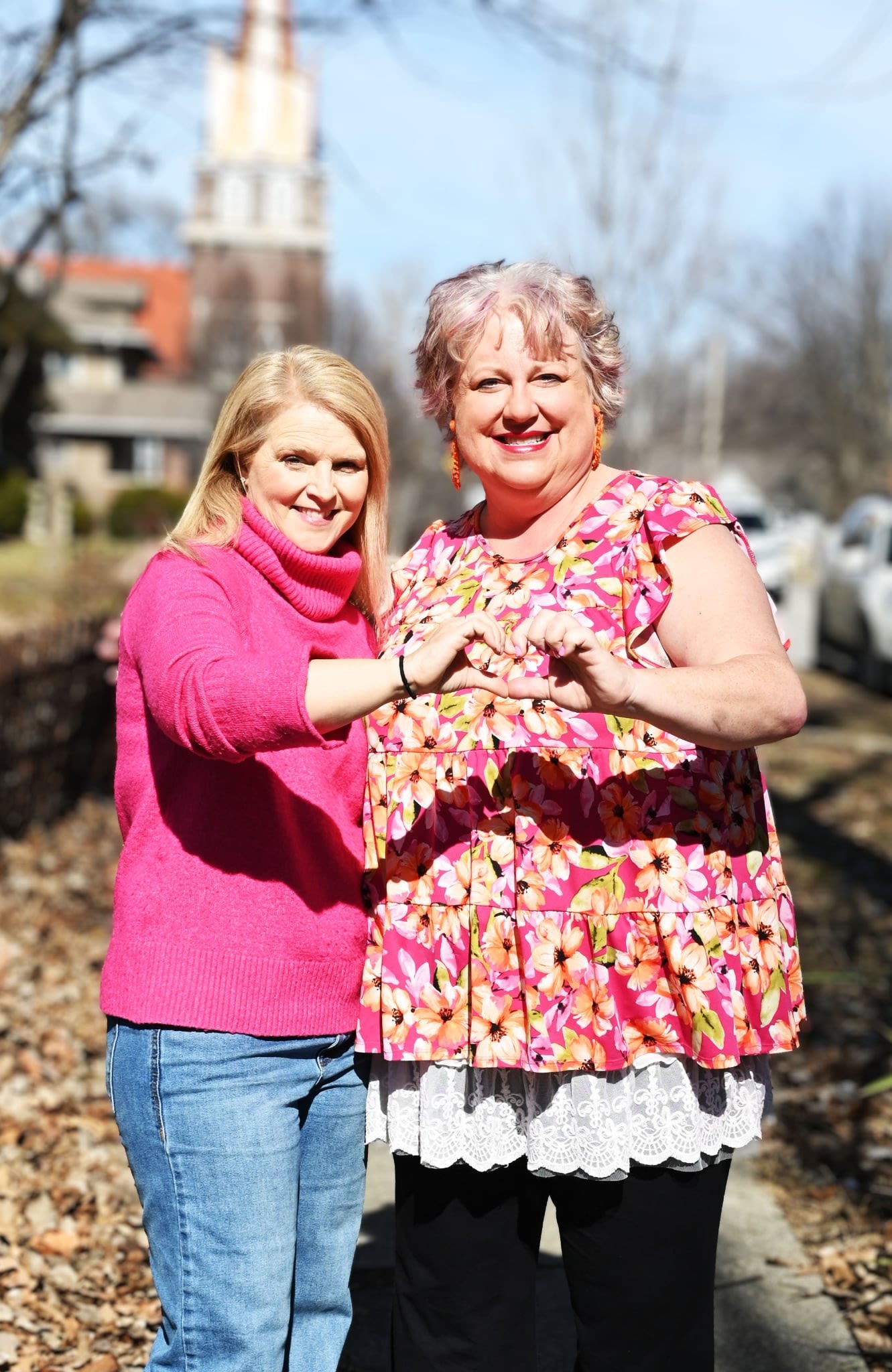
Stacey and Connie having a fun girls' day.
Stacey and Connie having a fun girls' day.


Stacey celebrates her daughter's engagement with her brother and sister-in-law.
Stacey celebrates her daughter's engagement with her brother and sister-in-law.
One quick heart screening that can help you know your risk
A calcium (coronary) score screening is a CT scan of the heart that detects calcium build-up in the coronary arteries. This build-up can narrow the arteries and raise your risk of heart disease. Early detection is important to helping prevent heart attacks and worsening heart disease.
Cost: $50
Insurance: Not needed
What you'll get: a score that helps guide next steps:
Your scan results in a number, known as your calcium score, that reflects the amount of calcium in your heart's arteries. A higher score indicates more plaque build-up. Talk with your Liberty Hospital provider to see if cardiac calcium scoring is right for you.
Calcium score guide:
- 0: No calcium deposits detected at this time
- 1–100: Talk with your primary care provider about heart disease prevention
- 100–499: Talk with a cardiologist about prevention and whether additional treatment is needed
- 500+: Significant calcium build-up. Seek care from a cardiologist as soon as possible
This screening is not recommended for patients who are:
Pregnant
- Claustrophobic
- Diagnosed with known coronary artery disease, such as prior heart attack, angioplasty/stent, or bypass surgery
- Have metallic objects in the heart, such as mechanical heart valves, pacemaker wires, stents, etc.
To schedule a $50 cardiac calcium scan, call Liberty Hospital at 816.792.7016. No referral or insurance is needed. Learn more: Coronary Artery Calcium Test from The American Heart Association
 Built with Shorthand