What Gen Z Wants in the Workplace: Balance, Culture & Purpose
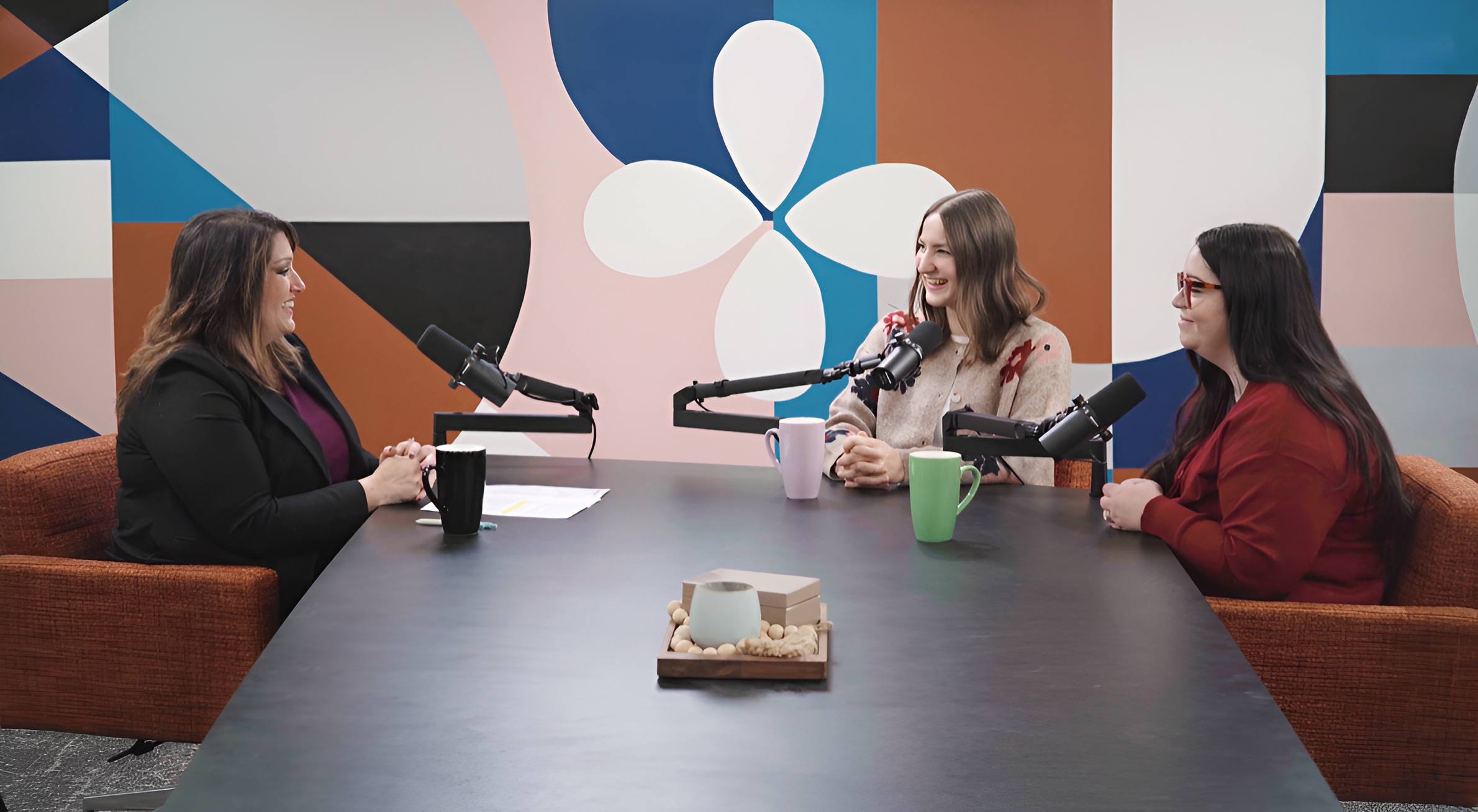

Regenia Stull, CNO, is joined by Hannah Stieb, Employee Health Nurse, and Ashlyn Vermeer, Human Resources Associate, to discuss how Gen Z is shaping today’s healthcare workforce. Together, they explore what this generation values most — work-life balance, culture, flexibility and purpose — and how those priorities are influencing the future of healthcare.
Regenia:
Welcome to The Heart of Health and Science, a podcast for people who have been in the healthcare field for a long time, and people who are just now thinking about joining the field. Today, we're talking about a topic near and dear to any leader: generations in the workforce.
Specifically, Gen Z and how they're shaping the healthcare industry. What do they want out of a career? What are they looking for, and what are they bringing to the field that is so unique? What makes the organizations they're working with poised for that next step of excellence?
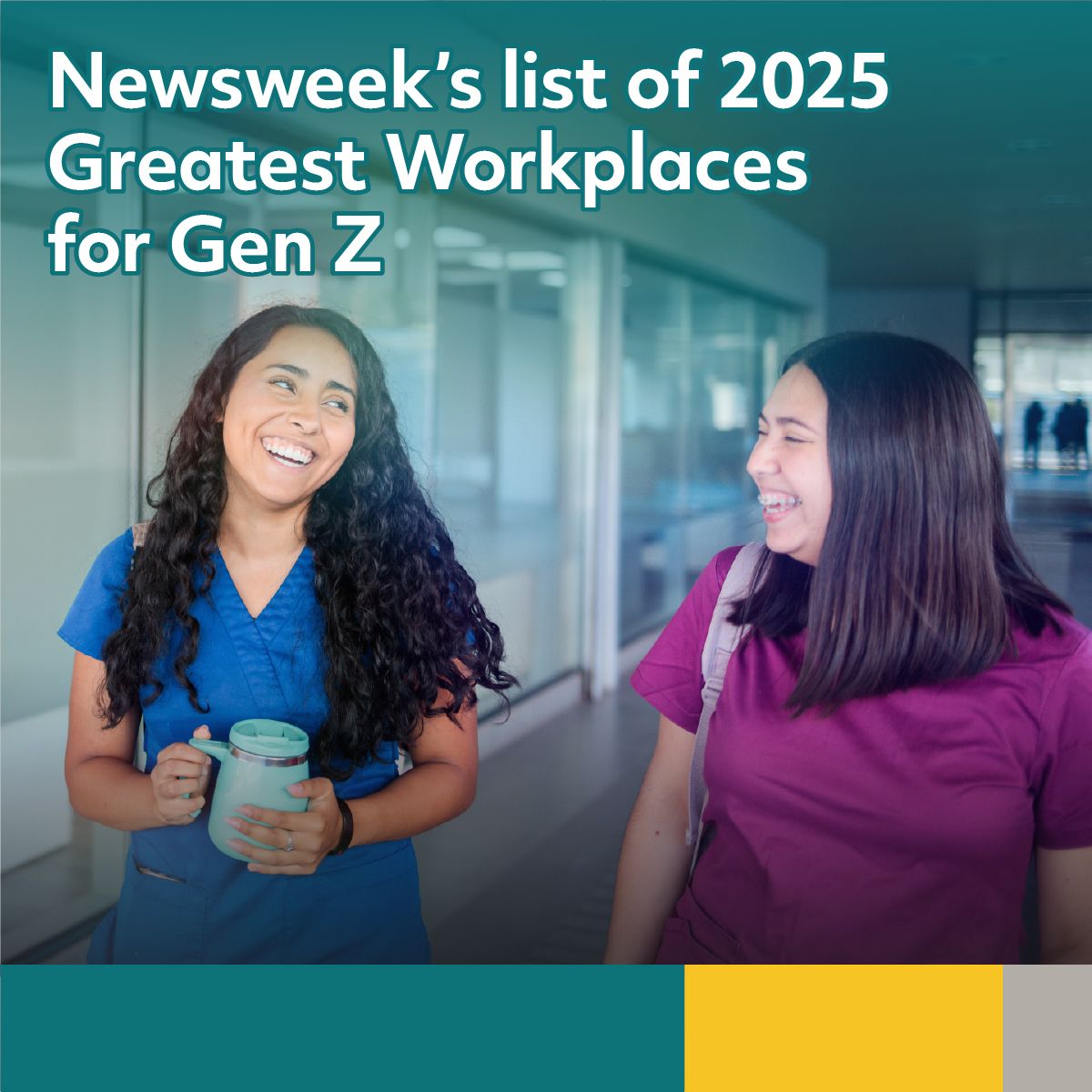
From culture and well-being to work-life balance and career advancement opportunities, we're here to help you grow, connect and thrive at any stage of your career. Learn what's made Liberty Hospital one of America's Greatest Workplaces for Gen Z 2025 by Newsweek and how we're making sure happiness works here for every generation.
Looking to find your place in healthcare?

I have two very special guests today that I'm going to introduce. But I want to share part of my background when I first entered healthcare. Now, I'm a Gen Xer, and I began working in healthcare at 15. At that time, if you wanted to be a nurse, you had to start as a nursing assistant. So, I went a step further. Before I became a Certified Nursing Assistant, or CNA, I was a candy striper, which you may know as a teen volunteer at the hospital.
We got to wear those little pink-and-white bib overall skirts, and it just set us apart. And we were all so proud of being volunteers in healthcare. That helped us gain acceptance into a CNA program, so we attended CNA school, got certified, and then entered the healthcare field.
And in my case, I went into nursing. I worked as a CNA every summer and every holiday to get through nursing school. And then when I came into nursing, I started on the night shift, and it was just given that I began working where the need was, and that was the night shift. And that was on a bustling medical floor of the hospital.
But slowly, over time, I worked my way into different positions. Today, it's not quite the same. Sometimes we have openings throughout the weekends, throughout the day shift, and throughout the night shift. Typically, we have what they're looking for available. That's very different from when I started. Today, I won't talk about myself; instead, I'll let our guests share what it's like to be part of the generation shaping today's workforce.
We have Hannah Stieb joining us. She's our employee health nurse at Liberty Hospital, and Ashlyn Vermeer, who is a human resources associate. First off, I'd like for you guys to share a little bit about who you are, what you do, and what you bring into the field as someone in that Gen Z grouping.
Those in Gen Z place a high value on ensuring that the workplace culture aligns with their beliefs, values, and ethics. If the culture doesn't resonate with them, they won't feel happy there. And if they're unhappy in their workplace, they'll seek a different one.
This is such a unique aspect that your generation brings to the table. I was raised to be committed to my organization, no matter what. As a result, I spent a lot of time early in my career feeling unhappy at work because the culture didn't fit me at all. I had been taught to start a job and see it through to the end, regardless of my feelings.
You don’t leave halfway. I stuck it out for as long as I could until I finished school or moved away, but I always persevered. I’m not saying that’s the right approach, especially now when many organizations are putting significant effort into cultivating a culture that is welcoming, inclusive, and accommodating for a minimum of four generations in the workforce.
It’s a lot of work and requires a deliberate effort to ensure all of those needs are met. Liberty Hospital was named one of America’s greatest workplaces for Gen Z, and I’m really excited about that. I would love to hear your thoughts on the workplace. What wins have you experienced, and what would you like to see improved?
Tell us a little bit about yourself and what you bring to the table from your perspective and generation. What unique skills do you have, and how can we best meet your needs?
Hannah:
I'm really glad to be here. My journey into healthcare began when I graduated from nursing school in 2020, right at the start of the COVID pandemic. I also minored in Women's, Gender and Sexuality Studies, which has significantly influenced my nursing career.
I started my nursing career in a Level IV Neonatal Intensive Care Unit (NICU) in Columbia, Missouri, where I lived for quite some time. My daughter spent some time in the NICU there, and that experience inspired me to pursue that line of work. My time there ultimately led to the adoption of my son, who was born premature at 26 weeks.
About three and a half years ago, I moved to Kansas City. After relocating, I worked briefly in an ambulatory clinic that served underserved and underinsured populations. I really enjoyed that work. Following that, I transitioned to pediatric home health for my son and, more recently, last year, I joined Liberty Hospital as an employee health nurse.
When it comes to workplace culture, the environment here is amazing. It's unlike anything I've ever experienced in my career. I truly enjoy my time here. Everyone is so inviting. I think one of the key things that Gen Z is looking for is supportive relationships within their work environment.
In my role in employee health, I work alongside three other registered nurses, whom I jokingly refer to as my "work moms" since they are a bit older than me. They offer a wealth of experience, expertise and support as I continue my career in healthcare.
Regenia:
Wow, that’s a lot. I had no idea about your background, it’s truly fascinating. I love that you’ve worked with underserved populations. I’m sure you’ve gained many valuable skills that are essential for our work at Liberty Hospital and in our community, as we are a very community-focused organization.
We feel honored to serve those in need, and I’d love to learn more about your unique perspective on this. Could you also take a moment to tell us a bit about yourself and share your story, Ashlyn?
Ashlyn:
Thank you so much for having us today. I'm thrilled to be here, especially with Hannah, as we work closely together. This is a wonderful opportunity for us. My journey into healthcare has been a bit different. I do not work in the clinical side but in Human Resources (HR), and it has been a rewarding experience.
My story begins in the summer before my senior year of college when I secured an internship in downtown Kansas City within an HR setting. I fell in love with the work, the ability to support the workforce, and the impact we could make in that role.
Upon returning for my senior year, I started taking HR classes and met one of my college mentors, Susan, who was the Vice President of HR at the hospital in Hannibal. I was inspired by her as I saw the respect she commanded in the community and the difference she made through her role.
She demonstrated genuine care for people, which left a lasting impression on me. I felt fortunate when a position opened up at Liberty, allowing me to join the team. I aspired to follow in her footsteps. Susan greatly influenced my perspective on HR, illustrating how essential this role is within an organization and how significantly one can impact others through it. I have been at Liberty for about a year and a half now, and I completely agree with Hannah. The culture here is unlike anything I have ever experienced.
It is so inviting and welcoming. The organization encourages growth and development in careers. I’ve noticed that many colleagues have been here for years and have only positive things to say about their experiences. I am genuinely grateful to be a part of this team.
Regenia
Well, you both have such fascinating stories. I'm just going to keep digging in. Staying with you, Ashlyn. Could you describe a typical workday? And, as you’ve been working with people through HR, what areas do you think are emerging, or what’s that next big push for people coming into the workforce?
Ashlyn:
Yeah, absolutely. That's a great question. A typical day for me. I work a lot with new hires and transfers. So, I do some data entry, but I also get to help with our new hire orientation. I get to meet almost every one of our new hires, which is so fun for me. People coming into the workforce, some people, my generation, some people in older generations.
And so that's just a really fun spot for me to be in. I also get to do some recruitment. A cool thing about our team is everyone does a little bit of everything, which has been a really cool opportunity for me to explore some of the emerging trends in HR and recruitment.
I know we've recently restructured our new hire orientation to be very inclusive and very inviting for new hires. And we know the first 90 days at an organization is a crucial stage for an employee.
Anything that has to do with technology, like you said, we're the AI generation. We're very, very fluent in all things, technology. I think people also value things like flexibility and being able to work from home. I think positions that support those are definitely emerging here, for our generation.
Regenia:
I agree with that. I have kids who are probably your age. I have two children, and my daughter has three little ones, which means I have three grandchildren, the youngest being four years old. Honestly, it's fascinating to watch him when he picks up an iPhone or a tablet; his little fingers just go to work on it.
He manipulates things with such ease. It seems almost intuitive to him. When he encounters something he doesn’t understand, he doesn’t ask mom or dad; he rarely asks me either. Instead, he turns to his seven-year-old sister, who usually acts as the expert in the room, to help him problem solve.
It blows my mind. I remember watching Star Trek and seeing a character named Scotty interacting with a glass desk, moving things around and projecting them onto a screen. I thought that was the coolest thing ever, something that could never happen. Yet now, we do that every day on computers that are more powerful than Starship Enterprise and even more advanced than the first rocket ship that went into outer space. I read that somewhere; I’m not sure if it’s accurate, but it’s fascinating, nonetheless.
Today, we have all this powerful technology right in the palm of our hands, and we are very comfortable with it. So, Hannah, what does a typical day look like for you, and what trends do you see emerging in the healthcare field?
Hannah:
As an employee health nurse, I work closely with new hires to enhance their onboarding and orientation experience. Every new employee at Liberty meets with one of our employee health nurses, including myself, for a typical medical screening.
During this time, I get to know them better, ensure they are fit for duty, and introduce them to our HR team. Being one of the first faces a new employee encounters here at Liberty is one of my favorite aspects of my job. I also handle various tasks related to occupational health and bloodborne exposures.
Additionally, I am responsible for CDC reporting on vaccination statuses and some workers' compensation work as well. This variety makes my position very dynamic, and I truly enjoy dabbling in different areas of health and safety. As Ashlyn mentioned, flexibility is an important factor, but another significant aspect is the desire to impact those around us. Many employees are drawn to Liberty Hospital because they know that here, they can truly make a difference, not just for fellow employees, but for the community as a whole. I believe that this drive to make an impact is one of the strongest trends I’ve observed.
Regenia:
I've also seen people come to Liberty Hospital and be surprised about how welcoming and encouraging our culture is. And they come in, you know, the first thing is, I need a job. And how is this going to benefit me? All of us have that exact same need. We all need to be working. Right. And how is this going to best benefit me?
How are my hours? How is the pay? How am I going to achieve any balance between work and my life? I know that, currently it seems as though our workforce is overscheduled, their lives are just overscheduled. My generation raised your generation. So, what are some of the things we could do differently? Or what were some of the things we did that shaped your views?
In my case, my kids watched me work a lot, and they saw me have that mom guilt a lot of times because I missed things. And, I was just having a conversation with my son last week, actually, because we were talking about Thanksgiving and planning around Thanksgiving and the holidays coming up.
And he said,” You know, it doesn't matter what day we do Thanksgiving, we've never really had a holiday on the holiday anyway.” And I just kind of sat back and looked at him and it hit me like a brick wall, you know, because it's true. I work in healthcare, and I'm very committed to it. And people don't choose to be sick on a holiday.
They don't choose to have a stroke on a birthday. They don't choose to have a heart attack or a car accident or need surgery at 3:00 in the morning, or on Christmas Day or New Year's Day. They don't choose that. But those of us who are in healthcare were there, and we're ready to meet them where their need is.
And we considered it an honor to be able to do that. On the flip side, we never had a holiday on the holiday. You know, I used to joke around with the kids, hey, Thanksgiving's going to be on Thursday this year. And, they were like, oh, I thought it was a Saturday thing. Okay, a Thursday, and it became a joke in our house.
I don't know if that's a win or a not such a win that my kids experience through my work. So, as you're looking at the workforce now or we're looking at the work requirements, is that as big a deal as it feels like it could or should be? You know, having Thanksgiving on Thursday or having or is it more important to celebrate with your family on a day?
I mean, these are the questions that I wake up to in the middle of the night. I'm thinking about, I mean, how can I stay relevant? How can my generation stay relevant to the next generations that are coming in? And what do we need to do differently? I'll just open that up.
What could we maybe have done differently that would have shaped how you view the workforce differently?
Hannah:
Growing up, I was raised in a culture where work was prioritized. Success was measured by how hard you worked and how well you provided for your family. As a result, my generation is starting to recognize the importance of spending quality time with loved ones and taking breaks from our professional responsibilities to prioritize family.
While I appreciate the values instilled in me by my parents — who emphasized the significance of hard work — I believe we have also learned the importance of work-life balance. For me, and many others in my generation, it’s vital to celebrate holidays on their actual dates. Christmas is for Christmas, and Thanksgiving is for Thanksgiving.
Achieving this work-life balance is crucial for our well-being. We are passionate about our patients, especially since we work in healthcare, a field that never truly stops. This requires a significant amount of teamwork to manage both our professional duties and personal time effectively.
Ashlyn:
I agree that being seen as a holistic person — one whose life isn’t solely focused on work — can help you become the best professional you can be. Your personal life is just as important, and I believe that having a supportive family can enhance your effectiveness in your professional role.
Looking at the generation before us, there was a strong emphasis on work, which isn’t necessarily a bad thing. It reflects a genuine commitment to caring for patients and their families, which is admirable. However, I believe we can find a good balance between showing that dedication and recognizing the importance of recharging with family and taking time to simply be ourselves. This balance can ultimately make us better professionals.
Regenia:
I'm sure both of you have had many conversations with people who are entering or returning to the workforce and how they’re trying to find the right balance. What kinds of recommendations would you offer to those seeking that balance? Do you discuss part-time or full-time work? What about working on weekends? Do people often have questions about this? It’s important for individuals to establish what that balance will look like for them from the very beginning.
Ashlyn:
I think the conversation about part-time work is a valuable one. However, I also believe that open communication plays a significant role in the workforce. Speaking from personal experience, I genuinely love the people I work with, and I will gladly say that repeatedly. They truly support personal development outside of work, including going for certifications or returning to school.
For instance, I am passionate about mentoring the younger generation. Recently, I approached my boss with an opportunity to coach a middle school basketball team. I asked if this was something they could support or if it would be better to let it pass for now, considering we’re in the middle of integration and have a lot going on. My boss looked at me, and it's something I will never forget.
She said, "Ashlyn, we will support you in whatever way we can because we know this is important to you. It matters to us too, and we love that you have such a passion for this. We want you to be able to do it."
While I think part-time positions are a great option, I also believe that maintaining open communication is crucial in the workplace. We want to support one another, and when we foster a positive culture, we can have those enlightening conversations about our personal lives, allowing others to understand our passions both professionally and personally. Open communication is a great starting point.
Regenia:
I've heard many leaders talk about how difficult it is to have open conversations because they often receive a text message instead of a phone call or an in-person visit. Many of them tell me that people seem uncomfortable coming in to talk, yet they will freely communicate through text.
However, having face-to-face conversations can feel more uncomfortable. What do you think we can do to facilitate those types of conversations? How can we make them more comfortable for those who are more accustomed to virtual communication?
Ashlyn:
That's a great question. I think we need to be okay with discomfort. Technology is advancing in incredible ways that will add so much value to our culture and workforce. However, we also need to connect as people.
We must be willing to have uncomfortable conversations, even when we hear things we might not want to. It’s crucial to show respect and care for one another on a human level. Personally, I’ve learned that I would rather have a five-minute uncomfortable conversation than sit in anger or upset feelings toward someone.
And that’s okay. You can explain things and hear tone better in person or over the phone. I’ve often heard people from my generation mention that using periods in texts feels like you’re yelling, which is a funny observation. Or using capital letters.
So, I believe tone can get really distorted in text messages. I strongly advocate for in-person conversations or at least a phone call. It allows people to hear the intent and emotion behind the words. I want you to know I’m not mad or angry, and I know you’re not either. This helps create an open and honest conversation.
Hannah:
I also think the dynamic with your leader plays a significant role. My leader at Liberty is an amazing person. Since my first day, we’ve had one-on-one conversations, and she frequently checks in on me. We're not always discussing work-related things.
For our generation, it’s essential to build relationships with our coworkers and leaders that go beyond just business and work. This dynamic is crucial, and it helps everyone get to know each other well and develop a rapport.
While our generation is comfortable with texting, encouraging personal conversations in the workplace, especially from leaders to team members, can help create an environment where people feel more comfortable discussing things face-to-face.
I recently started pursuing my master’s in nursing administration this summer. I know that this will involve internships and potentially some time off work. Before I started, I felt comfortable talking to my leader, Michelle, to seek her support.
I expressed that I would appreciate her blessing for this track, as it’s important for my career growth. She was very supportive and assured me that we could work together to find flexibility to help me succeed in my professional goals.
Regenia:
To elaborate on how we would define a great place to work, what are your thoughts?
Hannah:
As I mentioned earlier, having open relationships with your team members is essential. Our culture here is absolutely amazing; everyone seems to know each other. I love that personal aspect of our smaller hospital. You can walk down the hallway, say hi, or share a smile, and everyone is so welcoming.
I was pleasantly surprised by this on my first day. I also got to meet Dr. Adiga, our CEO, which was a unique opportunity since I've never met a CEO at any previous job. Building personal relationships and feeling valued instead of just being a number is crucial, especially for our generation. I believe that this culture of kindness and inclusivity is what makes Liberty such a great place to work and positively impacts the care we provide.
Regenia:
As I mentioned earlier, we have a very intentional culture. We took time to reflect on who we are, how we present ourselves, and how we can improve. We strive to be a premier organization in the Northland, addressing the health needs of the community we serve while also meeting the needs of our staff.
We aim to serve both the community and our team effectively. Recently, we formed a partnership with the University of Kansas Health System, which also prioritizes culture. They have a formula that emphasizes people at its core in every decision they make.
When we prioritize the well-being of our staff who work directly with patients, they are empowered to excel. This not only enhances their experience but also leads patients to say, "This has been amazing; I want to come here for all my healthcare needs."
That aligns perfectly with our goals. Many people consider Liberty Hospital a small facility but based on my experience working in various hospitals — due to my husband’s military duty and my nine years as a consultant — I can tell you that we aren't too small, nor are we too large.
We fall in a sweet spot, like the Goldilocks story: just right. We're sufficiently large to provide services like open-heart surgery, neurosurgery, spine surgery, and orthopedics. We have a Level II nursery in our OB department. We offer a lot of services that a smaller hospital might not be able to provide. At the same time, we’re not so big, like the University of Kansas Health System, that we could only operate on a larger, impersonal scale. This affiliation allows us to deliver extensive services, even if they’re not all available on our campus, which I truly appreciate.
You both mention the importance of flexibility and culture, so I'd like to break that down a bit further. When you talk about flexibility, I know that you're talking about more than your schedule.
I loved what you said that your upline said to you, if it's important to you, it's important to us, and we absolutely will support you in that. That's exactly what our culture encourages and expects. When you talk about flexibility and you talk about positive culture, what are you referring to when you say flexibility is important?
Hannah:
A big part of our culture here at Liberty is that we all take care of each other. Just to share a personal story, about five months ago, my house caught fire. And it burned down while I was on a flight to Disneyworld.
The first person I called was my leader here at Liberty, and I felt really comfortable doing that. And, you know, she was really assuring and saying, "We're going to help you, get to where you need to be. We're going to provide that support, whether that's time off, we're running some resources." So, I think even that's part of that flexibility and taking care of each other, recognizing what our needs are and being able to adapt, so that we can take care of each other and we can deliver that best care.
That's just one personal experience for me. Like I said, that really displays that for me. Alongside my education experience here and being supported in those things. I keep going back to recognizing the needs of each other because we have to take care of each other first before we can take care of everyone else and deliver the best care.
Regenia
I think of being on an airplane. If you need to use that oxygen mask, they tell you, put yours on first. And that's what pops into my head when you're talking about meeting the needs of our team first. So, we can meet the needs of others.
It's the right thing to do, regardless of generation. And I really think that your generation, what you've brought forward is teaching the older generations how important and valuable that is, even for them, right? Because if they've never experienced that kind of flexibility and that kind of support in the workplace, they've been missing out.
Ashlyn:
It's so important. Healthcare is a really cool space where you can see a 16-year-old starting in hospital food service, or somebody who's 60- or 70-years old working on a nursing unit. You get to have all those generations together. It's a cool piece that we get to bring in, and we value-add in these ways. We also see people who are so experienced and have taken us under their wing and have cared for us and wanted us to grow and know more about our positions and our careers.
For me especially, I've only been in the workforce for a year and a half. I've been out of school for a year and a half and getting to see the relationships that those people, they're so busy, but they will take any opportunity to teach me and help me grow. I said I'm kind of excited about recruitment.
They said, let's teach you how to how to do a phone interview. Come sit with me as I do this one, and then you can take that on for yourself. And I think that's something that's really cool. And that's why we need the melded generations. You know, we're talking very generationally right now, but that's why we need everyone in those different positions to be able to teach and grow and kind of refine us as we're moving up because we're learning but we're also bringing those value-added things, coming from the perspective of culture and flexibility too.
Regenia:
What types of things are important to you to learn, and how do you approach that? Is it more than being able to, for example, take on a graduate program? I'm sure it's more than that. You mentioned taking these new hires under our wing and teaching them.
I have the opportunity to work with someone who said, I want to be a CNO one day, but I don't have the first idea how to do that. So, I said, “Let’s start. Let's start getting together every few weeks to talk, ask any questions you want, and I'll answer as truthfully as I can.”
She was blown away by that, because you've talked about our integration work and how, since we've partnered with The University of Kansas Health System, we've been doing a lot of work learning who they are, they're learning who we are and how we can best bring that together as one organization.
And that's called integration. We're integrating the two organizations together, as one. And that has taken a lot of focus and work. But the work we're doing day to day, which isn't part of that integration work, remains incredibly important. And the most important part of that is maintaining relationships with the people who work in our organization and will remain there.
Being willing to answer questions or stop using a period when I text. That will be hard for me. In a class I took about the different generations in the workforce and their texting habits, I thought, "I know how to text." However, I found myself questioning my skills when asked whether I used thumbs-up or thumbs-down emojis. My answer was yes. Then, when they asked whether I used smiley or sad faces, I said yes again. But then I started to wonder, "Am I not supposed to use those?"
So, I was staring at my phone, the whole time I was listening to her. I'm staring at my phone, realizing that I clearly don't know how to text as well as I thought. And then they said, do you use these little video clips in your texting? Yes, I do, I know how to drop those in. And I'm thinking I did the right thing here. Yeah, don't do that either. I was like, Holy cow, I, I don't, I don't know how to communicate clearly. I don't know how. And so, it's become a joke: thumbs up, thumbs down, smiley face. Everyone in that room.
Ashlyn:
But my dad jokes that I am the menace of the office, because I'll come in and I'll have a button up shirt, you can tuck just half of it in, and I call the half tuck. Now everyone in our office has started doing it. Or I'll say, "Your fit is fire" or something like that, and everyone started saying it to one another.
He says I'm just a menace in that office, teaching them Gen Z. And I said, no, I think it's really about meeting each other where we are. I'm coming in a little bit younger, but there's so much I can learn from them too. And yeah, it's just really a balance, of learning. That's the culture we have. We care about each other enough, and we're meeting each other where we're at. I think it's really cool.
Hannah:
Ashlyn likes to tell people they're iconic. And there is a little bit of an age difference between me and Ashlyn, but I had never heard that before. And now I've started saying that too, like I actually even made one of our other employee health nurses a card that said You Are Iconic. She glittered it and everything.
Regenia:
I want to start to bring us to an end of this conversation. I've enjoyed this. I've learned things, and I've been just a little bit traumatized. No, not seriously.
One of my favorite questions at the end of every episode is to ask about a favorite story related to our topic. This could be from your time in the workforce or your personal life. So, can you share a favorite story or moment from your time at Liberty Hospital or during your education. Something that made you feel special, valued or valuable in healthcare?
Hannah:
Recently, I had the opportunity to handle some occupational exposure events here. Typically, my leader has been on vacation during those times. If she had been there, she would have taken care of everything and done a phenomenal job, as she always does. However, since she was gone, the responsibility fell to me while I navigated an unknown territory.
I stepped up to lead those projects regarding the exposures and saw them through. I’m really grateful for that opportunity. I’m the newest employee in the employee health team, having been here just over a year. Her absence allowed me to tackle these challenges, learn, and grow. The first experience went so well that the universe decided I should handle a second one about 3 to 4 weeks later. This has been one of my favorite opportunities at Liberty, the opportunity for growth. It wasn't about proving myself but rather about learning more and collaborating with a multidisciplinary team to ensure everything was taken care of.
Regenia:
I love that. Another aspect you highlighted in that story is the trust that exists within our organization. Even though you're not in a managerial role, your leader trusts you to handle things in her absence, and you do it with grace and ease.
Ashlyn:
Something that stood out to me recently is how much I love our team. If you've ever been to the HR office, you know we genuinely enjoy our time together, but we also accomplish great work. Recently, we had an intern in our HR department, and I got to spearhead her onboarding. I assigned her projects and brought her into our community, which has been a lot of fun for me. I get to teach her about my work while also showcasing how important our culture is and how wonderful it is to love what you do. I know that's not a sentiment everyone shares; not everyone looks forward to going to work and seeing their coworkers. But I’m fortunate to say I do, and I’m excited to share that with her.
Regenia:
I love that. So, you heard it here—human resources is having a good time at work! Thank you both for joining me today. I initially thought I would feel out of place, but I appreciate how gently you handled our conversation.
Thank you for being part of our discussion. I invite you back as we continue to delve into some more intense and relevant conversations about our workforce and how the healthcare industry is being impacted right now. Until next time!








 Built with Shorthand